Ryan’s Journey Through Mental Health, Ultramarathons, and Coaching
Interview with: Ryan Hogben
How a suicide survivor and ultra-runner turned his darkest battles into a source of strength for athletes in Chamonix.
1.Hi Ryan. Could you introduce yourself and tell us a bit about your journey into running and coaching in Chamonix?
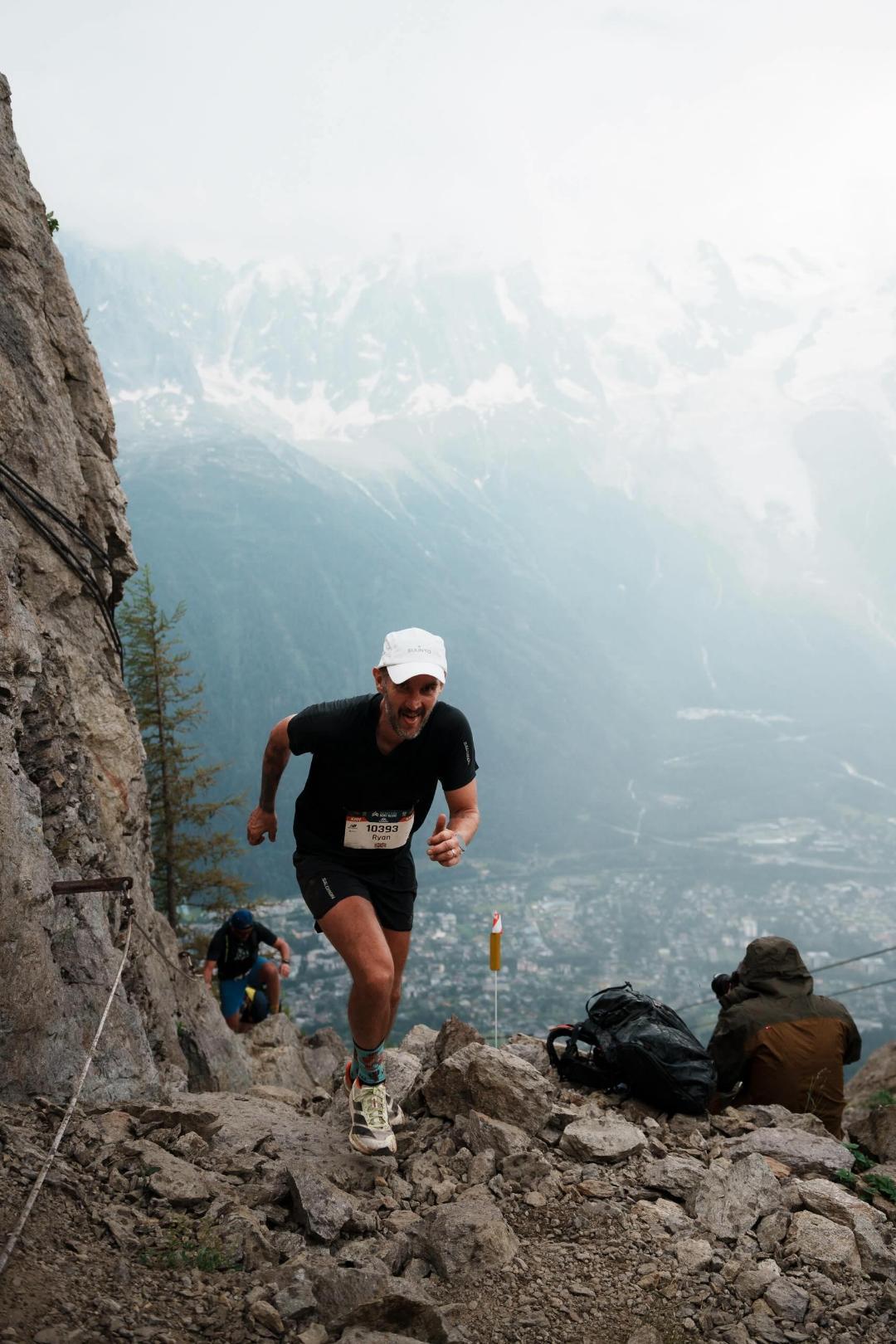
Hi, I'm Ryan, a 49-year-old runner (and cyclist and skier) living in the French Alpine town of Chamonix. I've lived here for just over 8 years now.
I took up running around 17 years ago, which led me to join a local running club. My now-wife and I were part of the coaching setup, helping organize the club sessions. Once I left the run club scene, I went on to being coached myself and focusing on my own running. Fast forward many years and many miles run, I had been offering advice to a friend who told me I'd make a great coach.
So, I started studying again and came up with the idea for Run Together Coaching. Once I gained some accreditations, I took on 3 runners for 6 to 12 months for free to gain experience before heading into the paid ranks. Three years later, here we are.
2.You’ve been very open about being a suicide survivor and breaking the stigma around mental health. How has running helped you navigate those dark moments, and why is sharing your story so important to you?
I guess anyone who has mental health issues and exercises uses it as a way of coping, and my experience is similar — although I think part of it comes from my addictive personality. I've had addiction issues in the past, and this is a healthier way of channeling that energy.
I have to say, though, it hasn't always been helpful and has at times had a negative impact on my mental health. I've learned it's important not to rely on exercise solely and that you always need other coping mechanisms.
Sharing my story is hard; I'm telling people about the worst experience I've ever had. But I know that by doing it, I've helped people, and even if it were just one person, it would be worth it. For the most part, we only get to see a small snippet of people's lives on social media, normally the good stuff, but that's not reality. So, for someone having a hard time, reading an open and honest post can make them realize they're not alone.
3.In one of your posts, you mentioned how uncomfortable suicide is as a subject and how damaging comments like "You are a coward" or "It's the easy way out" can be. How can everyone and the running community do a better job at creating safe spaces for people to talk openly about these feelings before it's too late?
Be less judgmental. People don't talk or open up because they often fear what others will think of them. We see it not just with mental health, but with what people wear or what they look like — we're always being judged. Judging someone for how they feel is unacceptable. If that's how you feel, keep it to yourself. You don't realize the effect your words can have on someone.
4.You mentioned that you learn more about yourself from bad races than good ones like your tough finish at Zugspitze. What did that specific experience teach you about resilience and community support in trail running?
I've had many bad races for many reasons, but that race in particular stood out. I went out way too fast, let my ego get the better of me, and paid for it badly. At 73 km, I was done. At the aid station, I saw two people whom I had met at the start, and they asked me to join them. I told them I was going to stop, but they kept insisting, so I went with them. I ended up finishing and meeting two super interesting and fun people.
I don't normally run to be social — I usually prefer the solitude, but this experience actually changed my views a little.
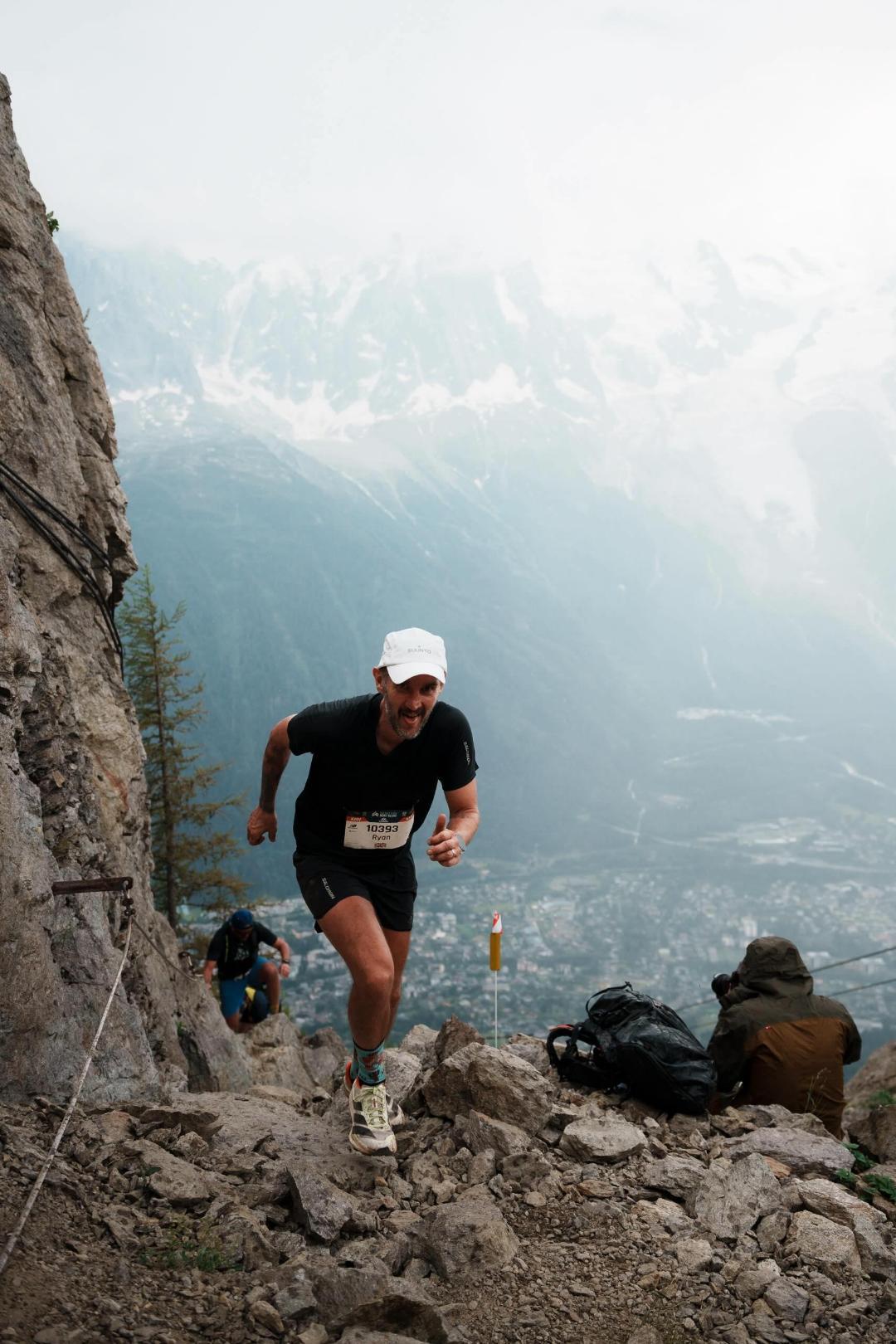
5.Lavaredo Ultra Trail in the Dolomites is one of your absolute favorites. What makes that specific race and terrain so special to you compared to other ultras?
It was my first mountain ultra. If you've ever been to the Dolomites, I don't need to explain just how amazing it is. It's hard to put into words. I live in one of the most beautiful places on earth, but nothing compares to the Dolomites. It just blows you away.
6.Beyond your own running, you run Run Together Coaching in Chamonix. How do you integrate mental health, mindset, and empathy into your coaching philosophy when helping athletes achieve their goals?
I've lost the mental battle countless times in a race. I know where things go wrong, and I can often see it before it happens. Having that experience as a runner allows me to talk through those situations with my athletes. When they go through them, I can truly understand and offer insights on what to do and what not to do.
Getting my athletes physically ready for a race is only part of it; I like to spend as much time as possible getting them mentally prepared, too.
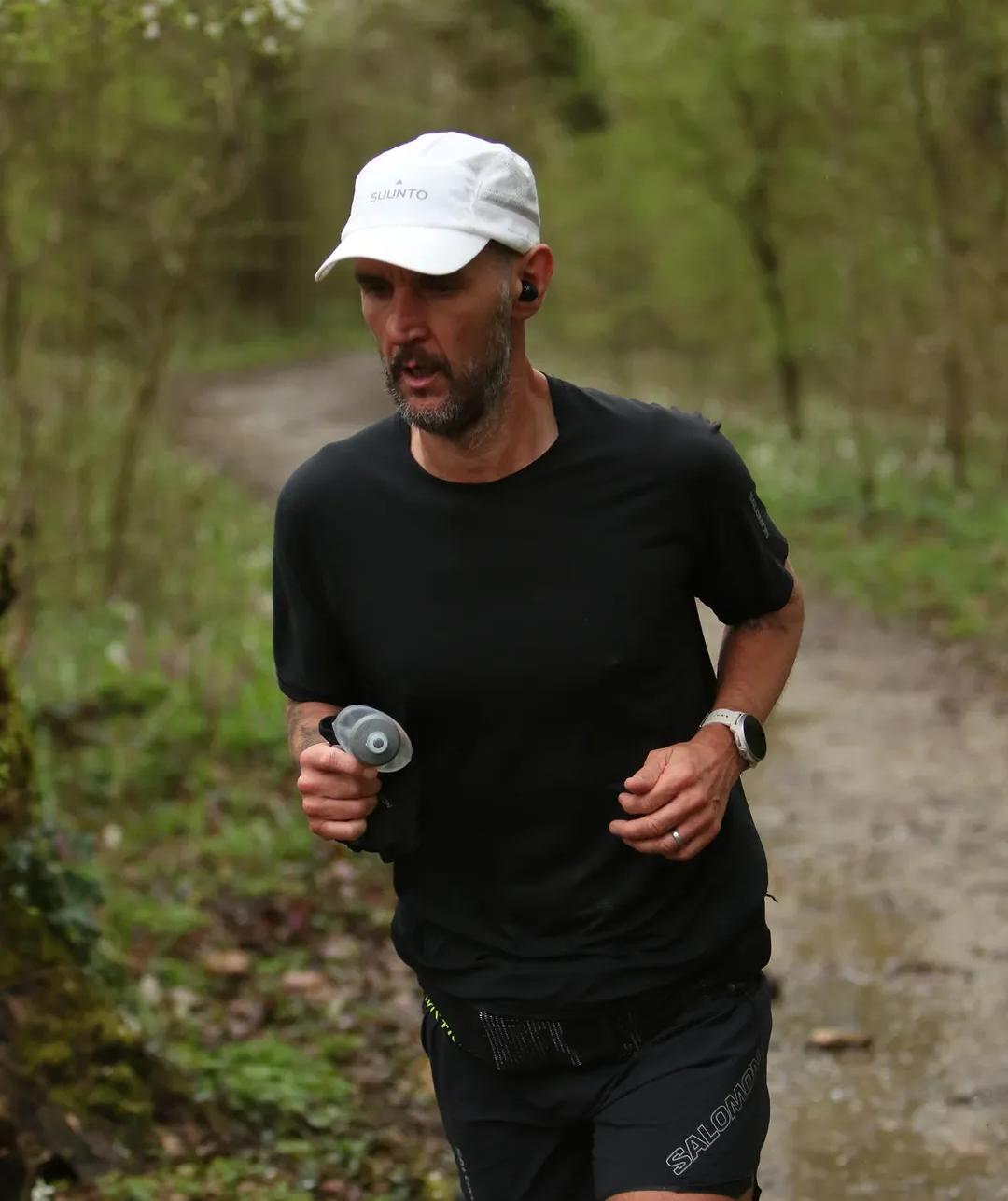
7. When you’re deep into a long mountain ultra and hitting a severe low point, what internal tools or mindset do you use to keep moving forward?
Honestly, my mental game has often been poor in ultras, it's normally my physical fitness that has gotten me through. But all my bad races where I've lost the mental battle usually boiled down to one thing: poor fueling. Your brain needs fuel just as much as your body does.
Since I've worked on my fueling strategy, my mental game has improved; those dark moments aren't as dark, and I make better decisions. So, if you're having a tough moment or feeling bad: eat, fuel, take a gel, or drink a sports mix. Just fuel, and it will get better.
8.What is the one piece of advice you’d give to someone currently struggling with their mental health who feels like they can't go on?
Wait. It will get better. It won't always be easy, but it will get better. I'm living proof of that.
My messages are always open for anyone who is struggling.
Keep following the journey
Follow Ryan Hogben on Instagram
@runboyrun35
Don't miss the next interview.
New stories, interviews and motivation from the road and trail — delivered straight to your inbox. No noise, just the good miles.